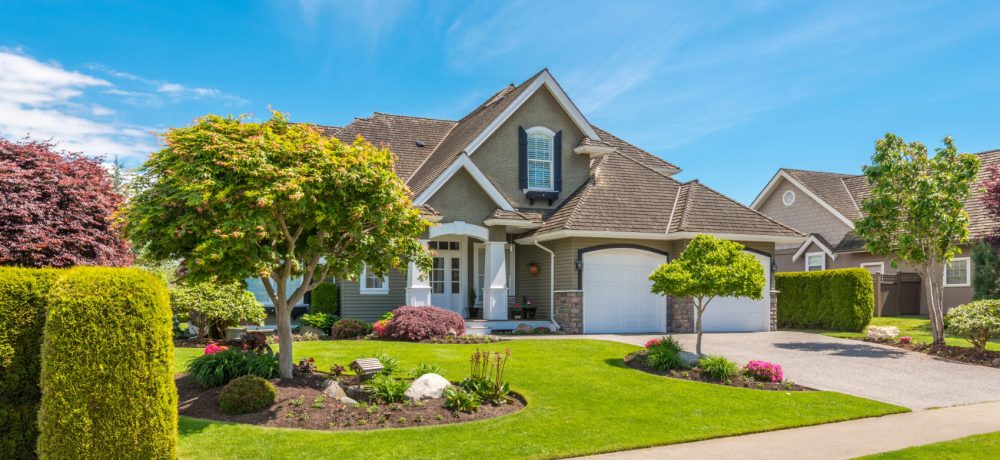
Urban vs Rural Real Estate Investment

Choosing where to deploy capital is one of the most critical decisions an investor faces when building a profitable property portfolio. The debate between urban and rural real estate investment involves weighing two entirely different economic ecosystems, each carrying its own unique set of risks, capital requirements, and growth potentials. Urban real estate centers around high-density metropolitan areas characterized by rapid job creation, constant population inflows, and robust rental demand. Conversely, rural real estate encompasses countryside properties, small agricultural towns, and remote lifestyle retreats defined by lower entry costs, slower market velocity, and unique land development opportunities. Analyzing the core mechanics of both markets helps investors align their financial goals, risk tolerance, and capital availability with the right geographic sector.
The Economic Dynamics of Urban Real Estate
Urban property markets thrive on agglomeration economies, where businesses, cultural institutions, and millions of residents cluster closely together to maximize productivity and lifestyle convenience.
-
High Rental Demand and Liquidity: Densely populated cities feature a continuous influx of young professionals, university students, and corporate workers who rely on renting, ensuring low vacancy rates and high market liquidity.
-
Rapid Capital Appreciation: Limited developable land within city centers drives aggressive competition for housing, historically resulting in faster property value appreciation over long holding periods.
-
Resilient Infrastructure and Amenities: Proximity to public transit networks, world-class healthcare facilities, entertainment districts, and major employment hubs makes urban assets consistently attractive to tenants.
The Challenges and Costs of Urban Investing
While urban investments offer high earning potential, they also present significant financial and operational hurdles that can compress profit margins if not managed carefully.
-
Substantial Capital Barriers: Purchasing multi-family complexes or single-family homes in major metropolitan centers requires massive upfront capital outlays and substantial down payments.
-
Higher Property Taxes and Maintenance: Municipal tax assessments in major cities are notoriously high, and older urban structures often demand expensive structural repairs, code compliance upgrades, and specialized management fees.
-
Regulatory Complexities: Urban landlords must navigate strict rent control laws, tenant protection ordinances, and complex municipal zoning regulations that can limit operational flexibility.
The Appeal of Rural Real Estate Investment
Rural property markets offer a compelling alternative for investors seeking higher initial yields, lower entry barriers, and diversification away from saturated metropolitan corridors.
-
Favorable Cash Flow Potential: Because rural properties cost significantly less to acquire than urban counterparts, rental income relative to the purchase price often yields higher immediate cash-on-cash returns.
-
Lower Operating Expenses: Property taxes, insurance premiums, and general contractor labor costs are traditionally much lower in rural communities, preserving more net operating income for the investor.
-
Rising Remote Work Appeal: The decentralization of the modern workforce has fueled a steady demand for rural homes, countryside acreage, and scenic getaway properties among buyers seeking space and tranquility.
The Risks and Limitations of Rural Markets
Investing outside major population centers introduces distinct vulnerabilities that require careful due diligence to mitigate successfully.
-
Slower Market Liquidity: Selling a rural property can take significantly longer during economic downturns due to a smaller pool of prospective buyers and limited local housing demand.
-
Economic Concentration Vulnerability: Many rural towns rely heavily on a single primary employer, such as a local manufacturing plant or university, making the local real estate market vulnerable if that sector struggles.
-
Higher Maintenance Logistics: Managing properties located hours away from urban centers makes routine inspections, emergency repairs, and contractor oversight logistically challenging and time-consuming.
Blending Strategies for Optimal Portfolio Diversification
Experienced investors often discover that the most successful real estate portfolios do not rely exclusively on one extreme. Combining urban and rural assets creates a balanced financial ecosystem.
-
Balancing Cash Flow and Growth: Investors can utilize rural properties to generate immediate, steady monthly cash flow while holding urban assets for long-term capital appreciation and wealth compounding.
-
Risk Hedging Across Economic Cycles: Economic recessions affect urban and rural housing markets differently, meaning a diversified geographic portfolio cushions total capital against localized downturns.
Frequently Asked Questions
What type of financing is easier to secure for rural real estate investments?
Rural properties, especially those involving large acreage or agricultural zoning, sometimes require specialized loan products, such as farm credit services or rural development loans, which carry different qualification standards compared to standard urban residential mortgages.
How do property management expenses differ between urban and rural locations?
Urban property management companies often charge competitive percentage fees due to high volume, whereas rural management companies can be scarce, forcing investors to either self-manage or pay higher travel-time fees for remote oversight.
Are cap rates generally higher in urban or rural real estate markets?
Rural real estate markets typically feature higher initial capitalization rates because purchase prices are lower relative to rental income, whereas urban markets offer lower cap rates offset by the promise of rapid capital appreciation.
What role do short-term vacation rentals play in rural real estate investing?
Rural properties situated near national parks, lakes, or scenic mountains perform exceptionally well as short-term vacation rentals, generating significantly higher seasonal revenue compared to traditional long-term leasing.
How does zoning classification impact rural land investment value?
Rural land value depends heavily on its zoning designation, whether agricultural, residential, or commercial, which dictates what type of development is legally permitted and heavily influences future resale potential.
Why do urban real estate markets experience faster economic recovery cycles?
Urban centers possess diversified labor markets and massive pools of capital that attract reinvestment quickly after a downturn, helping property values rebound faster than smaller, isolated rural towns.
What is the best way to evaluate tenant turnover rates in rural areas?
Investors must analyze local census migration data, regional employment stability, and historical rental listing durations to gauge whether a rural community maintains a steady pool of reliable, long-term tenants.