
Biohacking in 2026: The Latest Tech Enhancing Human Longevity
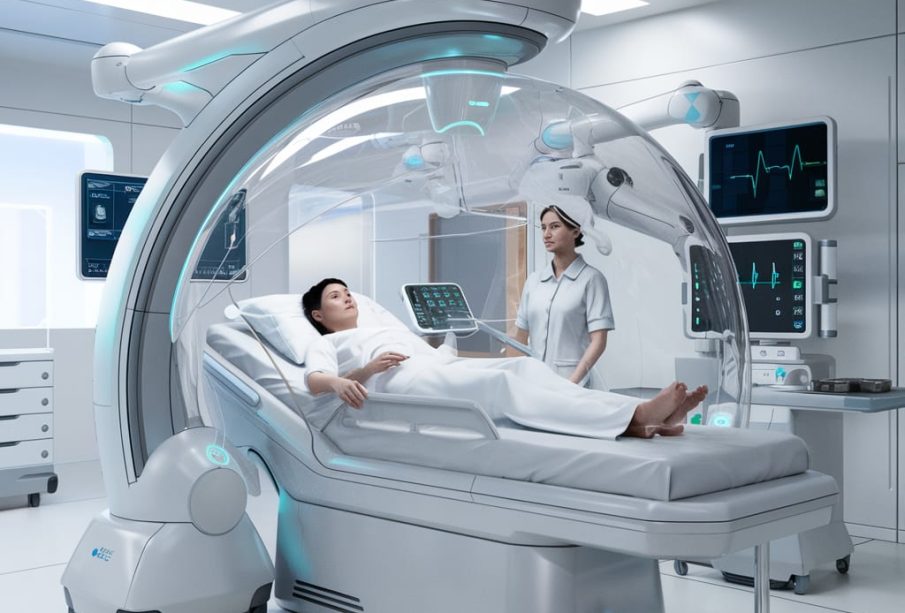
The pursuit of human longevity has undergone a massive shift. Once confined to science fiction and the fringes of alternative medicine, biohacking has evolved into a data-driven, highly sophisticated science. As we navigate through 2026, the primary goal of health optimization is no longer just extending lifespan, but aggressively expanding healthspan—the number of years a person lives free from chronic disease and physical decline.
Cutting-edge technology has democratized access to physiological data. Individuals can now monitor, analyze, and modify their internal biology with precision tools that were once exclusive to advanced research laboratories. By combining artificial intelligence, molecular diagnostics, and continuous feedback loops, modern biohacking allows people to take active control of their cellular aging processes.
The Rise of Advanced Biological Age Testing
Chronological age is simply a measure of time, but biological age tells the true story of how well the body is holding up under the pressures of lifestyle, environment, and genetics. In 2026, biological age tracking has moved past experimental phases into mainstream clinical and at-home use.
Epigenetic Clocks and DNA Methylation
The gold standard in assessing cellular age relies on DNA methylation analysis. Epigenetic clocks examine chemical modifications to DNA that change over time due to environmental exposures and lifestyle choices. By analyzing these patterns through simple blood or saliva tests, biohackers can measure whether their interventions are successfully slowing down or even reversing cellular aging.
Multi-Omics Profiling
Beyond single markers, multi-omics personalization provides a 360-degree view of human health. This approach combines genomics, proteomics, metabolomics, and microbiome sequencing to identify vulnerabilities long before symptoms appear. Rather than guessing which supplements or diets to follow, users rely on multi-omics data to deploy hyper-personalized interventions that target root causes of systemic inflammation and metabolic dysfunction.
Artificial Intelligence and Real-Time Biofeedback
Data collection is only useful if it can be interpreted accurately. The sheer volume of biometric data generated daily by modern consumers makes artificial intelligence an indispensable component of the 2026 biohacking toolkit.
AI Health Coaches
Smart algorithms do more than track basic step counts. Advanced AI health coaching platforms synthesize streams of continuous data from various wearables, sleep systems, and nutritional logs to offer real-time adjustments. These systems can dynamically alter training loads, recommend specific macronutrient shifts, or flag unusual resting heart rate spikes before an individual even feels sick.
Continuous Metabolic Tracking
Continuous glucose monitors have expanded far beyond the diabetes management market. Health-conscious individuals use these wearable sensors to track real-time glycemic responses to specific foods, stress events, and sleep deprivation. Maintaining stable blood sugar curves reduces systemic inflammation, prevents energy crashes, and protects long-term metabolic health.
Cellular Rejuvenation and Regenerative Technologies
Protecting the body from external wear and tear is only half the battle. True longevity tech focuses on cellular repair, clearing out damaged components, and encouraging tissue regeneration.
-
Senolytic Therapies: Senescent cells, often called zombie cells, accumulate with age and secrete inflammatory chemicals that degrade surrounding tissue. Modern protocols utilize targeted senolytic compounds to clear out these dysfunctional cells and rejuvenate tissue recovery.
-
Exosome and Peptide Protocols: Regenerative medicine heavily utilizes cell-to-cell signaling vesicles known as exosomes alongside specialized sublingual peptides to accelerate skin repair, reduce joint inflammation, and support systemic healing.
-
Mitochondrial Support: Because cellular energy production declines over time, interventions focusing on mitochondrial health—such as NAD+ precursors and mitochondrial cofactors—are central to maintaining high physical and cognitive performance into advanced age.
Sleep Architecture and Nervous System Optimization
Recovery remains the cornerstone of any effective longevity protocol. Without deep, restorative sleep and proper nervous system regulation, even the most advanced nutritional and fitness strategies fail to yield results.
Smart Sleep Environments
Technology has transformed the bedroom into a physiological recovery lab. Smart mattress systems actively monitor micro-movements, respiration rates, and core body temperatures throughout the night, automatically adjusting surface temperatures to keep the user in deep and REM sleep stages for longer periods.
Nervous System Regulation Wearables
Managing chronic psychological stress is vital for longevity, as cortisol and adrenaline accelerate cellular aging. Non-invasive wearable devices that utilize gentle haptic vibrations or targeted cranial electrical stimulation help shift the autonomic nervous system out of chronic fight-or-flight modes and into parasympathetic recovery states.
Frequently Asked Questions
How does continuous glucose monitoring benefit individuals who do not have diabetes?
Non-diabetic users rely on continuous glucose monitors to identify hidden food sensitivities, prevent post-meal fatigue, and optimize energy levels. By observing how specific macronutrient combinations affect blood sugar spikes, users can fine-tune their diets to support long-term metabolic health and insulin sensitivity.
What is the difference between healthspan and lifespan?
Lifespan refers to the total number of years a person remains alive, while healthspan measures the duration of life spent in optimal physical and mental health, free from chronic debilitating illnesses. Modern longevity tech aims to narrow the gap between these two metrics so that individuals remain vigorous well into their later years.
Are at-home biological age tests scientifically validated?
Most commercial biological age tests rely on peer-reviewed epigenetic methylation algorithms that correlate strongly with biological deterioration and disease risk. While they serve as exceptional directional tools to measure whether lifestyle changes are working, they should be interpreted alongside traditional clinical markers.
Can biohacking techniques help prevent neurodegenerative decline?
Many modern biohacking protocols specifically target brain health through a combination of cognitive training, deep sleep optimization, localized photobiomodulation, and metabolic stabilization. Maintaining steady cerebral blood flow and reducing neuroinflammation are key pillars in protecting cognitive function over time.
How do wearable recovery scores guide daily physical training?
Wearable recovery metrics evaluate autonomic balance by monitoring heart rate variability, resting heart rate, and sleep quality. Instead of following rigid workout schedules, users scale their physical exertion up or down based on these readiness scores to prevent overtraining and systemic burnout.
What role does the gut microbiome play in systemic longevity?
The gut microbiome acts as an endocrine and immune organ that heavily influences systemic inflammation, nutrient absorption, and metabolic signaling. Maintaining microbial diversity through specialized prebiotic fibers and fermented foods supports immune resilience and overall metabolic homeostasis throughout the body.