Step-by-Step: How to Create a Vibrant, Low-Maintenance Container Garden
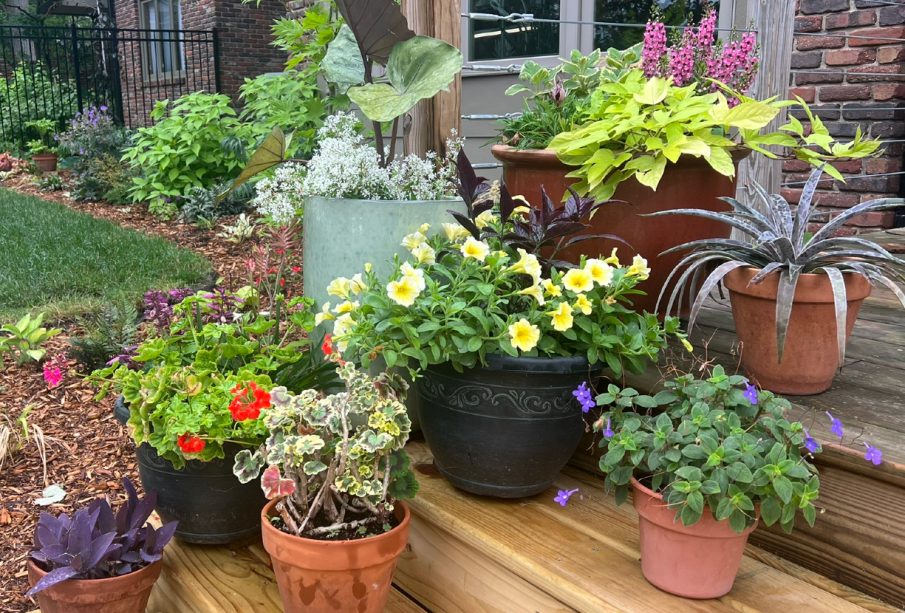
Creating a flourishing outdoor space does not require acres of land or hours of backbreaking weekend labor. A well-designed container garden brings vibrant color, texture, and life to balconies, patios, and small porches with minimal upkeep. Container gardening gives you total control over soil quality, drainage, and plant placement, making it one of the most accessible ways to cultivate a thriving green space.
By selecting the right vessels, utilizing hardy plant varieties, and establishing a few smart setup habits, you can enjoy a stunning floral and foliage display that praticamente looks after itself.
Step One: Selecting the Right Containers
The foundation of any successful low-maintenance container garden begins with the vessel itself. Choosing the wrong pot can lead to root rot, frequent watering struggles, and premature plant failure.
Material Matters
-
Terracotta and Clay: These pots are porous, allowing air and moisture to move through the walls. They are fantastic for drought-tolerant plants like succulents and herbs, but they dry out quickly in hot summer weather.
-
Plastic and Resin: Lightweight, highly durable, and excellent at retaining moisture. They are ideal for gardeners who want to minimize watering frequency and easily rearrange their patio layouts.
-
Fiberglass: Offering the aesthetic look of heavy stone or concrete without the massive weight, fiberglass containers withstand freezing temperatures and last for years.
The Non-Negotiable Drainage Rule
Every single container you use must feature at least one drainage hole at the bottom. If excess water cannot escape, it pools around the roots, suffocating the plant and causing fungal disease. If you fall in love with a decorative pot that lacks holes, use it as an outer cachepot by placing a plain plastic nursery pot with drainage holes directly inside it.
Step Two: Choosing Premium Soil and Nutrients
Garden soil from your yard is far too heavy and dense for pots. When packed into a confined space, native dirt compacts into a brick-like consistency that prevents root expansion and cuts off oxygen flow.
Use Soilless Potting Mix
Always purchase a high-quality, commercial soilless potting mix. These formulas typically contain a blend of peat moss, coconut coir, perlite, and vermiculite. This lightweight matrix retains optimal moisture while allowing excess water to drain freely and keeping oxygen circulating around the root system.
Incorporate Slow-Release Fertilizer
To keep maintenance to an absolute minimum, mix a slow-release granular fertilizer directly into your potting soil during setup. These tiny nutrient pellets dissolve gradually over several months whenever you water, eliminating the need to mix and apply liquid plant food every week.
Step Three: Applying the Thriller, Filler, and Spiller Design Method
Designing visually stunning pots becomes effortless when you follow the classic floral arrangement formula known as the thriller, filler, and spiller method. Combining plants with different growth habits creates instant professional balance in a single container.
-
The Thriller: This serves as the bold focal point of the arrangement. Choose something tall, upright, and visually striking, such as ornamental grasses, dwarf conifers, or tall flowering perennials.
-
The Filler: These are mounding or rounded plants that sit around the base of the thriller to bulk up the middle of the pot and hide bare soil. Good choices include coleus, petunias, zinnias, and miniature roses.
-
The Spiller: These trailing or cascading plants tumble gracefully over the edges of the container, softening the hard lines of the pot. Excellent spillers include sweet potato vine, creeping jenny, and trailing ivy.
Step Four: Matching Plants to Sunlight Conditions
Even the most resilient plants will struggle if placed in the wrong light environment. Before purchasing your greenery, evaluate how many hours of direct sunlight your patio or balcony receives daily.
Full Sun Champions
If your space receives six or more hours of direct sunlight every day, opt for sun-worshipping varieties that thrive in heat and dry spells. Lavender, sedum, lantana, and succulents require very little attention once established and bloom brilliantly under harsh summer rays.
Shade Tolerant Varieties
If your container garden sits in a shaded courtyard or faces a north-facing wall, choose shade-loving species that feature vibrant foliage rather than heavy blossoms. Hostas, ferns, caladiums, and impatiens bring incredible color and lush texture to dim corners without needing direct sunlight.
Step Five: Streamlining Maintenance and Watering
The secret to a low-maintenance garden lies in setting up efficient systems so you spend more time enjoying your plants and less time working on them.
Automated Drip Irrigation
Installing a simple battery-operated drip irrigation timer connected to an outdoor spigot automates your watering schedule entirely. Miniature tubing delivers exact amounts of water directly to the base of each container every morning, keeping your plants hydrated even when you travel.
Strategic Mulching
Cover the exposed surface of your potting soil with a thin layer of decorative gravel, shredded bark, or glass marbles. Mulching significantly reduces water evaporation from the soil surface, prevents weed seeds from taking root, and keeps soil cool during peak summer heat.
Frequently Asked Questions
How frequently should container plants be watered during peak summer months?
Potted plants dry out much faster than in-ground garden beds due to exposure to wind and sun from all sides. During high heat waves, containers may need a thorough watering once daily or even twice if they are smaller plastic pots. Always test the soil by inserting your finger two inches deep; if it feels dry, it is time to water.
Can perennial plants survive winter outdoors inside containers?
Whether a perennial survives winter in a pot depends heavily on your local hardiness zone and the material of the container. In freezing climates, thin plastic and terracotta pots can crack when wet soil expands as it freezes. Hardy perennials planted in thick resin, fiberglass, or wood barrels often survive winter if placed in a protected spot out of harsh winds.
What is the best way to handle pests in a container garden?
Pests like aphids and spider mites can occasionally find potted plants, though they are usually easier to manage in confined spaces. Regularly inspect the underside of leaves and treat minor infestations immediately by spraying the foliage with organic insecticidal soap or a diluted neem oil solution.
Do I need to repot my container plants every single year?
Annual flowers are discarded at the end of their growing season, so they do not require repotting. However, permanent fixtures like shrubs, small trees, and perennials generally need to be repotted into fresh soil and a slightly larger container every two to three years to prevent them from becoming root-bound.
Is it possible to grow edible vegetables in low-maintenance containers?
Many food crops thrive exceptionally well in pots with minimal daily oversight. Compact cherry tomatoes, bush beans, radishes, salad greens, and strawberries perform wonderfully in containers, provided they receive adequate sunlight and regular moisture.
How do I prevent mosquito larvae from breeding in saucers under my pots?
Standing water in plant saucers serves as an ideal breeding ground for mosquitoes. To prevent this, empty your plant saucers twenty minutes after every watering session, or fill the saucers with small decorative pebbles so water cannot pool on the surface.
What should I do with spent flower blooms on container plants?
Removing dead or fading flowers, known as deadheading, encourages plants to channel their energy into producing brand-new blossoms rather than forming seeds. Simply pinch or snip off spent flower heads right above the nearest set of healthy leaves using clean garden shears.